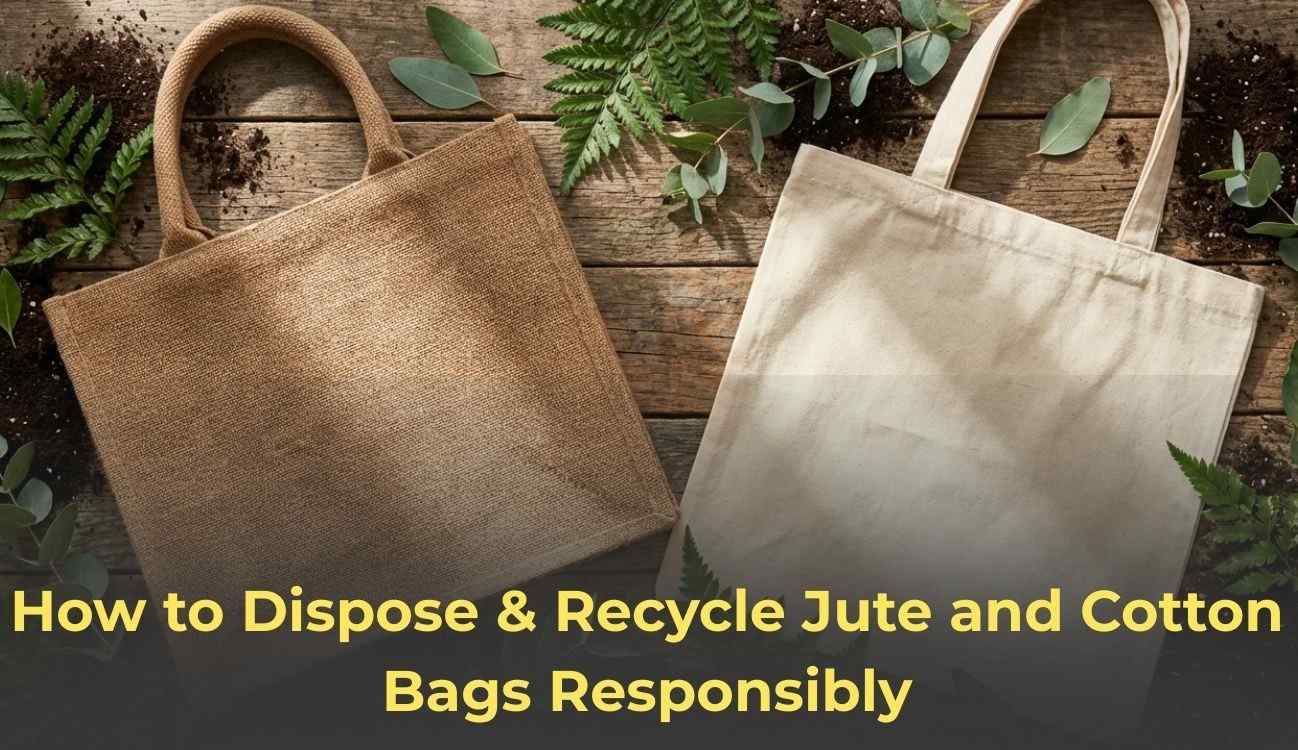
How to Dispose & Recycle Jute and Cotton Bags Responsibly
-

19th Jan, 2026
-
(0)


By : Sara International
We live in a world where people are always talking about going green, sustainability and eco-friendliness. These are not mere words. These are what we need at present. Amongst the other eco-friendly materials, Jute and recycled cotton are winning over shoppers who want an alternative to single-use plastic.
Recycled cotton tote bags look good, carry stuff without tearing apart, and can last for years. But “eco” doesn’t end with just buying them. How you use, mend, and discard these bags matters.
Read on for clear steps you can use today:
Understanding the manufacturing process of Recycled Cotton Tote bags
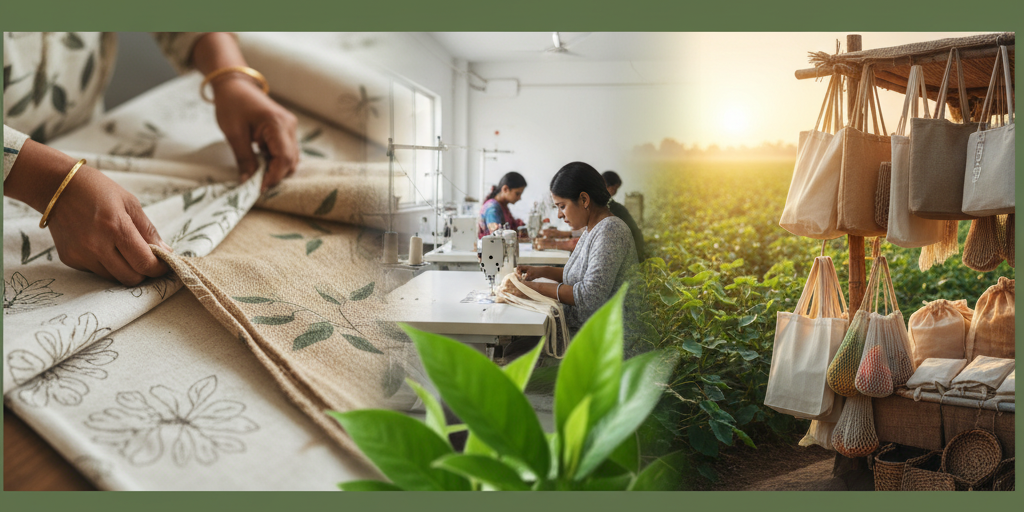
Recycling means using old and waste materials to make something usable. For recycled cotton tote bags, it starts with recycling the old fabric. Let’s take a look at the process step-by-step:
- Manufacturers collect all the scraps from mills and used clothes.
- They sort, clean, and shred the material into fibres.
- Those fibres are spun back into yarn and woven into new cloth.
- Manufacturing companies often mix a little virgin cotton for strength.
This is a revolutionary step. The process needs fewer new fields, less water, and fewer chemicals. Recycled cotton tote bags use existing fibre. This reduces pressure on farms and avoids the carbon footprint from new cotton production.
Environmental Benefits of Jute and Recycled Cotton Bags
Both jute and cotton are natural fabrics.
- Jute grows fast and needs little water, pesticides, or fertilizer, unlike synthetics.
- Recycled cotton tote bags save water and cut waste.
- When they reach the end of their life, uncoated fibres break down naturally over time.
- Since the fabric can also be reused, it lowers the bag’s per-use footprint.
- Local sorting and recycling create jobs in the community.
How to Make Your Jute and Cotton Bags Last Much Longer
You can keep using Jute and recycled cotton bags for years, when you give them a little attention. The problem with these bags is not poor quality, but how you use and store them. Tossing the bag in a damp corner or using it for a week without cleaning might cause it to fade, smell or tear sooner.
When using a recycled cotton tote bag or jute bag, you need to build these small, regular habits. For instance, cleaning it occasionally. For jute bags, a quick wipe with a damp cloth is enough to lift dust and surface stains.
For cotton bags, hand-washing it gently with mild soap. This keeps colours bright and removes food spills or makeup stains without damaging the weave. However, avoid heat unless it is recommended, as it may shrink fibres or make prints bleed.
Drying also matters. Air drying in the shade prevents fading and stops the fabric from stiffening, and it protects jute from developing mildew smells.
Also, look after the bag’s handles. They carry the weight and often wear first. If you notice loose stitching or thinning fabric, a simple stitch is enough to use it for months.
These bags often pick up moisture, mould, and odour if you shoved into humid shelves or forgotten under sink cabinets. Keep them in a dry, airy spot and rotate them like you would a favourite pair of shoes.
Creative Upcycle Ideas to Reuse Worn Jute and Cotton Bags at Home
While recycled cotton tote bags are durable, they still reach the end of their lifecycle. The fiber starts to lose its strength, and prints start to fade. Instead of tossing them out, you can give them a second life. In fact, it can be a fun DIY project you can enjoy with children or friends.
You don’t need fancy equipment or special skills to upcycle the bags. Just a little imagination is enough . The weathered bags might be a cute decor for your plant pot or add a rustic look to your balcony.
Cotton pieces also make good coasters or table pads if you stitch them with scrap fabric. It looks colorful and aesthetic. These simple transformations keep material out of landfills and create something unique with a story built in.
When to Donate, Repair, or Recycle Natural-Fibre Bags Instead of Tossing
Being sustainable doesn’t mean you should not discard a bag as waste. The basic rule is simple. If it works but you don’t want it, let someone else use it. If it’s torn or not usable, find the right recycling path. Bags that are still clean and sturdy can be sent to charity shops, community swaps, NGOs or even neighbourhood sharing groups. Someone else might need exactly what you don’t.
It’s just being mindful about not throwing the bag straight into the trash if it has minor damage. Repairing is faster and cheaper than you might think.
When tears are large, trims are missing, textile recycling is the most reasonable choice. If you own an uncoated jute bag, then it can be directly sent for composting. Just remember, household recycling bins rarely accept textiles, so dropping them in curbside recycling usually harms the system instead of helping it. You can look out for textile banks, brand take-back counters, or municipal drop-offs as the smarter choice.
How to Dispose of Pure Jute Bags Without Harming the Environment
The perks of pure jute bags are that they are made of the easiest natural fibres to return to the earth. They biodegrade within a few months to years. However, this quickly changes when the bags’ coatings, linings or synthetic handles. This can interrupt composting.
So, before you dispose of the bag, check its construction. Manufacturers usually share information on their tags. If it’s plain-woven with no lamination or plastic sheen, you can shred it into small pieces and add it to home or community compost. Smaller pieces break down faster and avoid clumping. If the bag is lined or laminated, composting won’t work, so recycling might be the best option.
Final Thoughts
Recycled cotton tote bags and jute bags are made of natural fibres. They are better and more sustainable options but only when used well. Store the bags properly. Keep them clean. Mend them if needed and pass them on. When they reach the end of their lifespan, compost or recycle them correctly.
FAQs
Q.1. How to recycle a cotton bag?
Take it to a textile recycling drop-off or brand take-back program. If plain cotton, composting may also work.
Q.2. Are cotton bags recyclable?
Yes, but not in curbside bins. Cotton needs textile recycling streams, especially if printed or blended with synthetics.
Q.3. Can I put bags in the recycle bin?
No. Most municipal bins don’t accept textiles. Use textile banks, donation centers, or brand take-back counters.
Q.4. What is the best way to dispose of unwanted bags?
Reuse first, then donate or repair. If worn out, send to textile recycling or compost if natural and uncoated.
Q.5. What to do with old jute bags?
Donate, upcycle, or compost if pure and uncoated. If laminated, recycle through textile drop-offs instead.
Latest Post
-
February 25, 2026
How US Corporate Gifting Is Moving Towards Eco-Friendly Tote Bags
-
-
January 30, 2026
Juco Laptop Bags for Minimalists with Everyday Hustle