
Guide
Jute vs cotton bag: which fabric for which item
Cotton or canvas for an item that is washed, or that touches skin and clothes. Jute for an item that must hold its shape and is not laundered. Juco when you want the body of jute with a smoother face for print.
Sara Exim is a manufacturer and exporter in Kolkata, India. This guide is for hotel purchasing managers, heads of housekeeping and brand buyers choosing a fabric for each item in a set. It does not rank the fibres. It matches a fabric to a job.
Send the item list and what each one is used for. We reply with a fabric suggestion for each, and the sample confirms it.
Your design stays confidential; NDA on request.Certificates: documents shared with buyers on request.
Which fabric for which item
Take the usual choice as a starting point. It follows from the care and the surface of each fabric, and you can check each point on a sample.
| Item | Usual choice | Why | When to choose another |
|---|---|---|---|
| Laundry bag | Cotton or canvas | It goes in with the wash, and cotton is machine washable. Jute is not a wash fabric | Jute, if the bag only holds laundry until collection and is never itself washed |
| Slipper upper | Cotton | It sits against bare skin, so the feel on the foot decides. Our present slippers are made in jute and cotton | Jute, for a natural, textured look such as a spa slipper. Other upper fabrics are confirmed with your quote |
| Amenity or toiletry pouch | Cotton canvas or calico | The guest may keep it and may wash it. A plain face takes a clean logo | Jute for a rustic look; juco for a finer logo on a natural-looking pouch |
| Shoe bag and dust bag | Cotton or calico | The bag touches shoes, clothes and accessories, and a small bag shows its print up close | Jute for a hotel wardrobe shoe bag with a natural look; juco for footwear dust bags |
| Beach or pool bag | Canvas, or jute for a bag the guest keeps | The bag meets damp towels, and soaking can affect jute. Canvas can be washed between guests | Jute where the bag is a keepsake and is not laundered. Test either by the pool |
| Welcome or gift bag | Jute or cotton, by the look you want | The bag is kept, not washed, and the logo and the feel carry the message | Juco when the logo has fine detail |
| Tote for a brand: canvas, jute or juco | Canvas | It takes fine, multi-colour artwork on a smooth face and can be washed | Jute for a bold mark and a natural material; juco for jute’s look with a cleaner logo |
A set can mix fabrics. A cotton laundry bag, a jute shoe bag and a juco welcome bag can carry the same logo, as long as you check the colour on each fabric.
The fabrics themselves
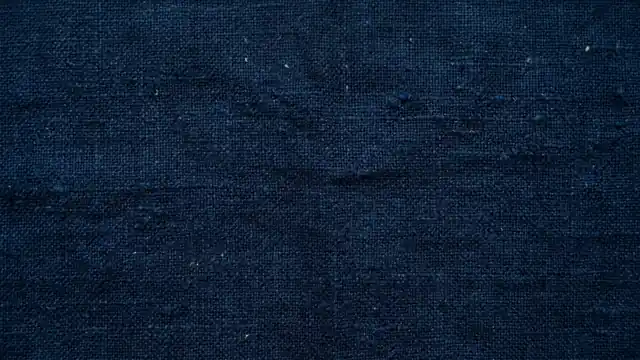
Jute has a coarse, visible weave and a natural look. It is stiff, so a bag tends to hold its shape when set down. Cotton and canvas are soft and plain, in natural, bleached off-white or dyed cloth. Light cotton and calico fold flat, and heavy canvas has more body. Juco has the look of jute with a smoother, softer hand, and keeps much of jute’s body.
Each item is made to your specification, so the weights below are examples from our range, not a fixed catalogue. The weight for your item is confirmed on the approved sample.
| Jute | Cotton and canvas | Juco | |
|---|---|---|---|
| Care | Spot-clean or wash gently by hand. Prolonged soaking can affect the fibre | Cotton is machine washable | Depending on composition, may be lightly hand-washed |
| Typical weights in our range | About 240 to 380 GSM | About 110 to 200 GSM for calico and light or mid cotton; about 280 to 380 GSM for canvas; about 400 to 480 GSM for heavy duck canvas | About 280 to 450 GSM |
| Blend | Not blended | Not blended | About 75% jute and 25% cotton. The ratio can differ by build and is stated on your quote |
GSM means grams per square metre; the cotton and canvas guide explains it with ounces. What jute is, and where it comes from, is on the jute page.
What changes the answer
The wash decides more than any other point. Cotton is machine washable, and jute is spot-cleaned or washed gently by hand. Juco depends on its composition. If housekeeping will launder the item, start with cotton or canvas. We publish no wash-test, shrinkage or colour-fastness data for any fabric, so wash the approved sample your own way before you order.
Water comes next. A pool or beach bag meets damp towels and sand, and prolonged soaking can affect jute, so for a bag that is wet often, start with cotton or canvas. No test data is published on how these fabrics behave in sun or salt water, so test the approved sample on site.
Then the lining, which sits between the contents and the cloth. Some of our jute and juco bags carry a laminated layer of LDPE, which is a plastic film. It gives a wipe-clean inside, and it is a plastic. The alternatives are an unlined bag or one lined with cotton. Which one your item has is settled at the sample.
Last, the logo. On jute, a bold one-colour mark reads most cleanly, and thin lines and small type can break up on the weave. Juco prints finer detail. Cotton is the smoothest of the three and takes fine and multi-colour artwork. The methods are screen printing in up to eight colours, digital heat transfer, foil and embroidery, with woven labels. Our guide to logo printing, embroidery and labels sets out which method suits which fabric.
Colour can be matched to a Pantone reference, but colour on a natural fibre is approximate and varies with the fibre. The same reference can read differently on jute and on cotton. Judge it on the sample.
What to ask for on the sample
Ask for the sample in the fabric and the build you intend. Then check:
- the feel against the skin, for slippers and pouches;
- how the item holds its shape when set down;
- the finest line of your logo, at its real size;
- the colour against your reference, in daylight;
- the weight in GSM against the figure on your quote;
- the lining, if there is one, with the contents the item will carry;
- the care routine, run as your housekeeping or laundry will run it.
If a fabric fails, tell us what failed and we revise the sample before production starts.
Send the item list, the use of each item, your logo artwork and the quantity you expect.
How an order works
The fabric changes from item to item; the order does not. You send artwork or a reference, we quote, and we make a sample for your approval before production starts. Each item is made to your design, in medium to large quantities, and sample terms and lead times are confirmed with your quote. We work under NDA on request and never name the hotels, resorts or brands we make for. We hold ISO 9001:2015 certification, are a Sedex member, are MSME registered and are a member of EPCH and FIEO. Documents are shared with buyers on request. We export to more than 45 countries, and the steps are on the how we work page.
Questions
Questions buyers ask
Jute or cotton, which is better?
Neither, in general. Cotton or canvas suits items that are washed or touch skin. Jute suits items that must hold their shape and are not laundered. Juco sits between them. The table above matches each item to a fabric.
Is jute more sustainable than cotton?
We make no ranking. Each fibre has its own facts, and they are set out on our jute page and our cotton and canvas guide. A finished bag also depends on what else is in it, such as a plastic film lining. For what words like biodegradable and compostable can and cannot mean, read the guide to biodegradable and compostable claims.
Can a juco bag be washed?
Lightly, by hand, depending on its composition. No wash-test data is published for juco. If the item will be laundered, choose cotton or canvas.
Can one set use different fabrics?
Yes. Each item is made to its own specification, so a set can mix cotton, jute and juco. Colour on a natural fibre is approximate, so check the logo colour on each fabric.
Start with the item list
Tell us the items and how each is used. We suggest a fabric for each, you approve a sample, and production follows.
See also the guides for ordering, logo and design questions, and the full range for hotels and resorts.
Your design stays confidential; NDA on request.Certificates: documents shared with buyers on request.