
Buyer guide · Hotel slippers
Washable hotel slippers or disposable: which suits your property
The short answer
Choose disposable slippers if each pair goes to one guest and you do not want slippers in your laundry. Choose washable hotel slippers if housekeeping can collect, wash and reissue them, and you want each pair to stay in service for more than one stay.
Natural fibre, meaning jute or cotton, is a material, and it can sit in either system. A natural-fibre slipper can be reissued or used once, depending on how it is built and how it is cared for. The table sets all three side by side so you can hold them against your housekeeping routine.
Sara Exim is a manufacturer and exporter in Kolkata, India. Our present slippers are made in jute and cotton. Other upper fabrics and all soles are confirmed with your quote. This guide is about the choice. For the specification of a slipper, see the custom hotel slippers page.
Send your room count, the floors the slipper will meet and how housekeeping would handle it.
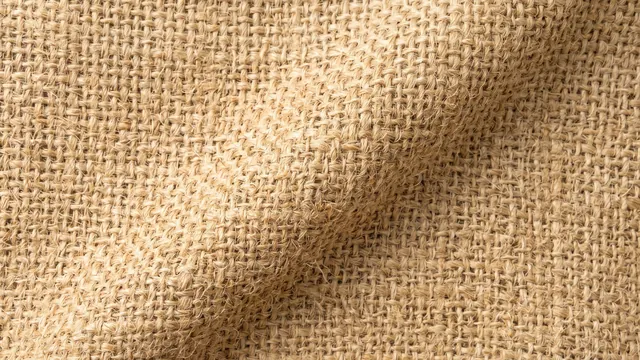
Images are illustrative. Every piece is made to your design, and client work is never shown.
Ready to specify the slipper?
Every pair is made to your brief and proved on a sample you approve.
Your design stays confidential; NDA on request.Certificates: documents shared with buyers on request.
The three options side by side
| What you weigh | Disposable (single stay) | Washable (laundered and reissued) | Natural fibre (jute, cotton) |
|---|---|---|---|
| After the stay | The pair leaves with the guest or goes to waste. Nothing returns to housekeeping. | Housekeeping collects the pair, launders it, checks it and issues it again. | Depends on the build. Cotton and jute are cared for differently (see below). |
| Laundry load and handling | None for the slipper. Waste grows with every occupied night. | Adds to the laundry load. Needs a collection step in the room turnover, sorting and a check before reissue. | Our care note for cotton bags is machine washable. For jute bags it is spot-clean or wash gently by hand, and prolonged soaking can affect the fibre. |
| Storage | Stock is bought in step with occupancy. Reserve pairs need shelf space. | More than one set: in the room, in the wash and on the shelf. | Same as the kind it sits in. |
| How the guest sees it | A new pair nobody has worn before. | The guest cannot see the wash. A worn or faded pair shows at once. | A visible natural weave. Colour on natural fibre is approximate and varies with the fibre. |
| Sole and packing | Ask what the upper, the sole and the wrapper are made of. Do not assume from the word disposable. | The sole and the logo must stand your wash. Ask how the pair is packed for reissue. | The upper may be jute or cotton. The sole is confirmed with your quote, so a natural upper does not mean a natural sole. |
| What to test on a sample | Fit, grip on your floor, and a full evening of wear. | Your own wash, fit after the wash, and the logo after the wash. | The care routine for the fabric, and the colour against the approved sample. |
If every pair goes to one guest
Disposable fits a spa that turns treatment rooms quickly, a resort with no laundry on site, or a property that wants every guest to open a new pair. You accept a cost that follows occupancy and a stream of waste that follows it too.
Check the material first. A single-stay slipper can be made of many materials, so the word disposable on its own tells you little. The Global Tourism Plastics Initiative, launched in 2020 by the United Nations Environment Programme and the World Tourism Organization with the Ellen MacArthur Foundation, lists among its commitments the move from single-use to reuse models or reusable alternatives. It is about plastic items and packaging. Whether it touches your slipper depends on what the slipper and its wrapper are made of. If you plan to use words such as biodegradable on a slipper, read the guide to biodegradable and compostable claims first.
If housekeeping can wash and reissue
Washable suits a laundry that already handles room textiles and can take one more item. Someone on the trolley has to collect the pairs, there needs to be a bag or bin for them, and a worn pair must be taken out of circulation at some point. Count the cost on your own numbers: pairs per room, how often they are reissued, what your laundry charges and how often you replace pairs. A comparison from another property will not fit yours.
A washable slipper is only washable if it survives your wash. No wash-test report is published for our slippers, and the number of washes a pair will take is not something we state. Wash the sample in your own laundry, at your own temperature and with your own detergent, and judge the result yourself.
If the look of jute or cotton matters to the room
Cotton can be the washable choice. Our care note for cotton bags is machine washable, and whether a slipper with a sole and padding goes through your machine is something the sample must show. Jute is the other case. Our care note for jute bags says spot-clean or wash gently by hand, so a jute pair suits a property that does not reissue pairs through the machine, or that handles them by hand.
We make slippers in jute and cotton. Care instructions for the fabric are settled at the sample stage. If a natural-fibre slipper is to be reissued, say so in the brief so the care routine is tested for it.
What to put in the brief
Tell the maker how the slipper will be used. These points change the answer:
- Single stay or reissued. This decides the sole, the upper and the packing.
- The floors: carpet, stone, wet tile, decking. Name them.
- Sizes and toe shape: open or closed, and the size range for your guests.
- The logo: artwork, placement, and whether it must survive a wash.
- Your wash: temperature, detergent, and whether the pair is dried by machine or in the air.
- How the pair reaches the room: packed singly, in a pouch, or loose on the bed.
- Any material you want to avoid, written down so the quote answers it.
A brief with these lines gets a quote that matches your routine. The guide to minimum order, samples and lead times sets out how a custom order is briefed and approved.
What to test on the sample
Do these on the approved sample itself.
- FitHave people with different foot sizes wear it for a full evening, on your floors.
- Sole gripWalk on your own floors, dry and as they are when wet. No slip-resistance test is published for our slippers, so the sample is where you judge it.
- Your wash, if the slipper is washableRun it through your laundry at your settings. Check the shape, the shrinkage, the colour and the cushioning afterwards.
- The logo after washingCompare the washed pair with an unwashed one. Print, embroidery and woven labels age differently, so look at your chosen method. The guide to logo printing, embroidery and labels compares them.
- The packOpen it as housekeeping would, on the trolley, and see how the pair reaches the room.
If the sample fails, tell us what failed. The sample is revised before any production starts.
Send the brief points above, your logo artwork and the quantity you expect.
How an order runs, and what stays private
Whichever kind of slipper you choose, the order runs the same way. The pairs are made to your design, in medium to large quantities, after you approve the sample. Sample terms and lead times are confirmed with your quote. We sign an NDA on request and never name the hotels, resorts or brands we make for. We hold ISO 9001:2015 certification, are a Sedex member, are MSME registered and are a member of EPCH and FIEO; documents are shared with buyers on request. We export to more than 45 countries, and the steps are on the how we work page.
Sources
Every general fact on this page comes from a named source. Read on 19 November 2026.
- Ellen MacArthur Foundation (co-partner), “The Global Tourism Plastics Initiative”, ellenmacarthurfoundation.org
The Global Tourism Plastics Initiative was launched in January 2020 by the United Nations Environment Programme and the World Tourism Organization in collaboration with the Ellen MacArthur Foundation, and lists among its commitments moving from single-use items to reuse models or reusable alternatives; it concerns plastic items and packaging
Questions
Questions buyers ask
Can a jute slipper be machine washed?
Our care note for jute bags is to spot-clean or wash gently by hand, because prolonged soaking can affect the fibre. The care instruction for a jute slipper is settled at the sample stage. If you plan to reissue pairs, test the approved sample in your own routine before you order.
Are washable slippers cheaper than disposable ones?
It depends on your own numbers. Count the pairs per room, how often a pair is reissued, the cost of your laundry and how often pairs are replaced. A figure from another property will not match yours.
Do you make disposable hotel slippers?
Our present slippers are made in jute and cotton. Other upper fabrics and all soles are confirmed with your quote. If you need a single-stay slipper, say so in the enquiry and we will answer plainly.
Will the logo survive washing?
That depends on the method and the fabric, and no wash result is published. Wash the approved sample in your own laundry and compare it with an unwashed pair.
Start here
Start with the brief.
For the full slipper specification, go to the custom hotel slippers page. For a bag that carries the pairs back to the laundry, see our hotel laundry bags. More buyer guides are on the guides page, and the room-by-room view of single-use items is in the plastic-free hotel room guide.
Your design stays confidential; NDA on request.Certificates: documents shared with buyers on request.